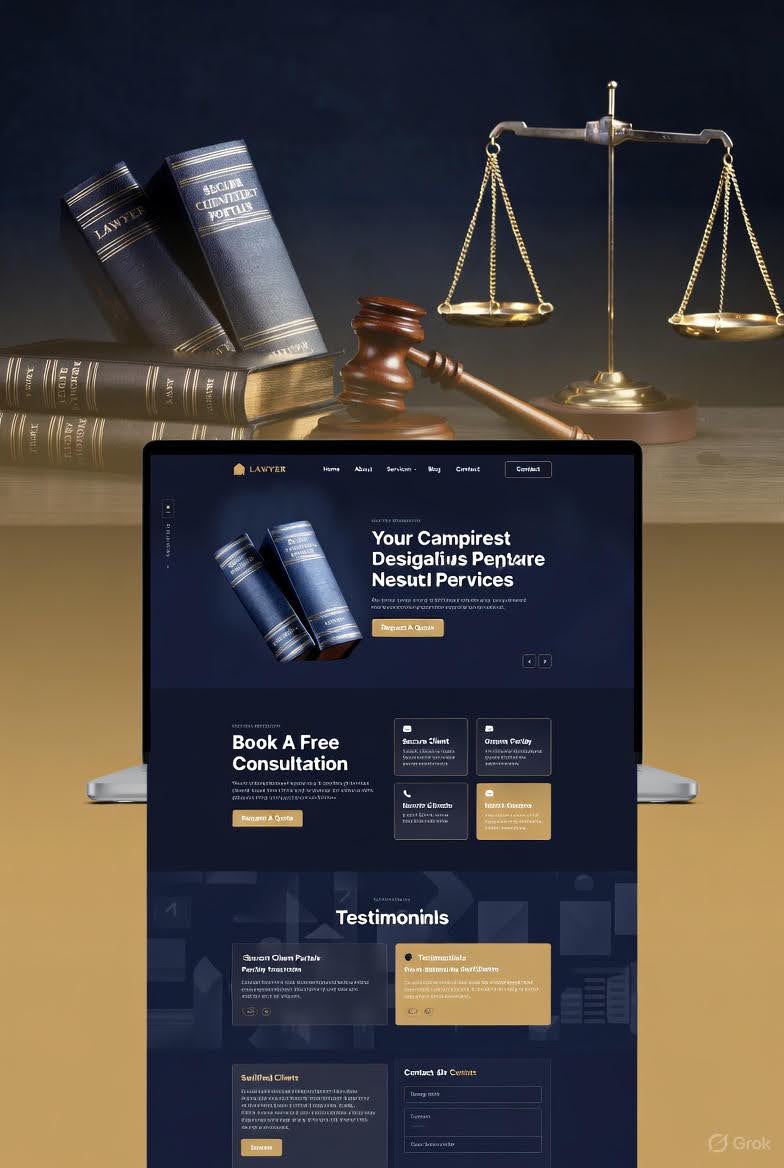
In 2025, the digital presence of legal professionals is more critical than ever. Clients expect lawyer websites to be as polished and trustworthy as the attorneys themselves. With evolving design trends and technology, how can law firms craft websites that stand out and convert visitors into clients? This article explores optimal guidelines for designing lawyer websites in the current year, focusing on usability, aesthetics, and functionality tailored to legal services.
Whether you’re a solo practitioner or part of a large firm, these insights will help you develop a website that reflects professionalism while engaging potential clients effectively.
Prioritize User-Centered Design for Seamless Navigation
Clear Structure and Intuitive Menus Enhance Client Experience
Clients visiting lawyer websites often seek quick answers and easy access to services. A user-centered design ensures visitors can navigate without frustration. Use a clean layout with minimal navigation bars, focusing on core pages such as Practice Areas, Attorney Profiles, Contact Information, and Client Resources.
Responsive Design Is Non-Negotiable in 2025
Over 60% of legal website traffic comes from mobile devices. Ensuring your website adapts seamlessly to smartphones, tablets, and desktops is essential. Responsive design not only improves user experience but also boosts search engine rankings.
Pro Tip: Test your website across multiple devices regularly to ensure consistency in performance and appearance.
Leverage Visual Hierarchy and Professional Branding
Use Color Schemes and Typography that Convey Trustworthiness
Colors like navy blue, gold, and deep gray evoke stability and confidence—qualities clients look for in a lawyer. Combining these with polished typography creates a refined, authoritative look. Avoid overly bright or distracting colors that might dilute your message.
Incorporate Relevant Imagery and Iconography
Images such as law books, scales of justice, and courtroom scenes reinforce your legal expertise visually. However, balance is key—avoid cluttering pages with too many graphics that could overwhelm visitors.
Here’s a quick comparison of color palettes suitable for lawyer websites:
| Color Scheme | Psychological Effect | Ideal Usage |
|---|---|---|
| Navy Blue & Gold | Trust, Prestige | Headers, Call-to-Action Buttons |
| Deep Gray & White | Neutral, Professional | Backgrounds, Body Text |
| Dark Green & Cream | Stability, Balance | Testimonials, Client Quotes |
Optimize Content for Authority and Engagement
Showcase Attorney Expertise with Detailed Profiles
Clients want to know who will represent them. Include professional bios with credentials, specializations, and case successes. This builds credibility and personal connection.
Use Clear Calls to Action (CTAs)
Encourage visitors to schedule consultations or request case evaluations with compelling CTAs placed strategically throughout the site. For example, a “Book a Free Consultation” button should be visible on every key page.
Did You Know? Law firms that place CTAs prominently increase lead conversion rates by up to 30%.
Integrate Advanced Features to Enhance Functionality
Secure Client Portals and Live Chat Options
Modern lawyer websites often include secure portals for document exchange and communication. Offering live chat support can also improve client engagement and provide immediate assistance.
Fast Loading Speeds and SEO Best Practices
Website performance directly impacts user retention. Compress images, use efficient coding, and select reliable hosting to ensure fast load times. Additionally, optimizing for search engines helps prospective clients find your services organically.
Pro Tip: Regularly update your content and monitor SEO rankings to stay ahead in a competitive market.
Ensure Compliance and Accessibility Standards
ADA Compliance for Inclusive Access
Websites must be accessible to all users, including those with disabilities. Incorporate features like screen reader compatibility, keyboard navigation, and alt text for images to meet ADA guidelines.
Data Privacy and Legal Disclaimers
Protect client information with clear privacy policies and disclaimers. This not only fosters trust but also meets regulatory requirements.
By combining user-centered design, professional branding, authoritative content, and advanced functionalities, lawyer websites can effectively convert visitors into clients in 2025. Remember, your website is often the first impression—make it count.
Next Steps: Begin by auditing your current website against these guidelines and prioritize updates that enhance usability and trustworthiness. Staying ahead with modern design practices will position your law firm for sustained growth.
The legal digital landscape continues to evolve; embracing these optimal strategies today ensures your online presence remains competitive tomorrow.