In today’s competitive healthcare market, running effective pay-per-click (PPC) campaigns requires more than just compelling ad copy. Geographic targeting has emerged as a powerful strategy to ensure your health service advertisements reach the right audience at the right place. Whether you operate a local clinic or a regional health network, tailoring your PPC efforts to specific locations maximizes relevance and return on investment.
This article explores how to harness geographic targeting within PPC campaigns specifically for health services. We’ll cover strategic benefits, implementation tactics, and optimization techniques to help you attract patients effectively while controlling costs.
Why Geographic Targeting Matters in Health Service PPC
Enhancing Local Relevance for Better Engagement
Geographic targeting allows advertisers to focus their PPC ads on users in specific locations, ranging from countries and states down to cities or even postal codes. For health services, this is crucial because most patients seek providers near their residence or workplace.
By narrowing your campaign’s reach, you increase ad relevance, which improves click-through rates (CTR) and lowers cost per click (CPC). Localized ads can highlight nearby facilities, specialist availability, or community health initiatives, resonating more with the audience’s needs.
Controlling Advertising Spend Efficiently
Health services often operate under budget constraints. Geographic targeting ensures your ad spend is concentrated where it matters most, avoiding wasted impressions on users outside your service area. This targeted approach optimizes your marketing budget by reducing irrelevant clicks and increasing conversion potential.
Setting Up Geographic Targeting for Healthcare PPC Campaigns
Choosing the Right Geographic Parameters
Start by analyzing your patient demographics and service locations to identify the most valuable regions. Common geographic targeting options include:
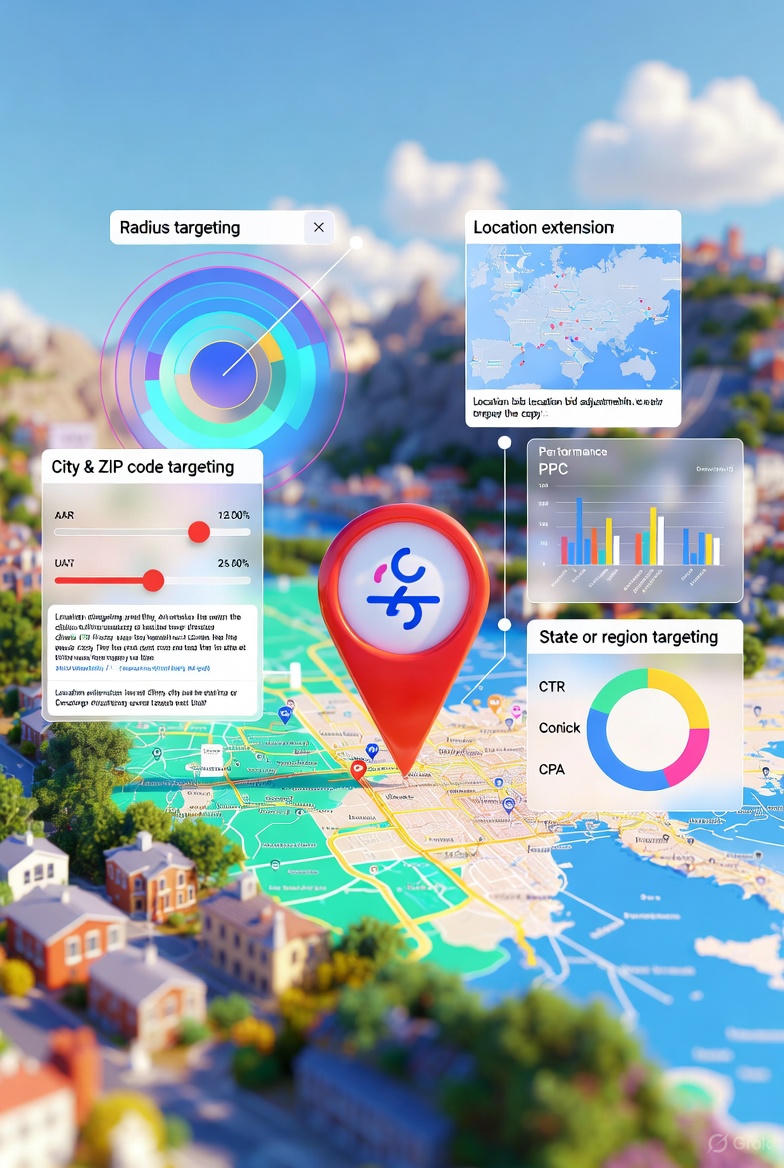
- Radius targeting: Define a specific mile or kilometer radius around your clinics.
- City or ZIP code targeting: Pinpoint precise urban or suburban areas.
- State or region targeting: Cover broader areas for larger health systems.
Using radius targeting can be particularly effective for clinics aiming to attract patients within convenient travel distances.
Leveraging PPC Platform Features
Most PPC platforms like Google Ads and Bing Ads provide granular geographic targeting tools. You can exclude locations where your services don’t apply or adjust bids for high-priority zones to increase ad visibility there.
For example, Google Ads allows location bid adjustments, enabling you to increase bids by a percentage in regions with higher patient acquisition rates. These features help you fine-tune your campaign based on real-time performance.
Pro Tip: Regularly review your geographic performance data and adjust targeting settings to maximize ROI. Seasonal health trends or new clinic openings can influence optimal geographic focus.
Crafting Location-Specific Ad Copy and Extensions
Tailoring Messaging to Geographic Audiences
Generic health ads may fail to engage local audiences. Incorporate location-specific details in your ad copy, such as:
- Mentioning the city or neighborhood
- Highlighting proximity to landmarks
- Promoting local health events or offers
This approach creates a sense of community trust and relevance, which is critical for health services where reputation matters.
Utilizing Location Extensions
Location extensions in PPC ads display your business address, phone number, and map links directly in search results. These extensions make it easier for potential patients to find and contact your clinics, increasing foot traffic and appointment bookings.
Measuring and Optimizing Geographic Targeting Performance
Tracking Location-Based Metrics
Use PPC analytics tools to monitor how different geographic segments perform. Key metrics include:
- CTR by location
- Conversion rates (appointments booked, calls made)
- Cost per acquisition (CPA)
Analyzing this data helps identify high-performing areas and regions where adjustments are needed.
Refining Your Targeting Strategy Over Time
Based on your data, refine your geographic targeting by:
- Expanding successful locations
- Excluding underperforming zones
- Adjusting bids for priority regions
Continuous optimization ensures your PPC campaigns remain efficient and aligned with your health service goals.
Here’s a quick comparison of targeting strategies for health services:
| Targeting Type | Best Use Case | Benefit |
|---|---|---|
| Radius Targeting | Local clinics attracting nearby patients | Precise local reach |
| City/ZIP Targeting | Urban health centers with high-density population | Focus on neighborhoods |
| State/Region Targeting | Multi-location health systems covering wide areas | Broad audience coverage |
Incorporating Geographic Targeting into a Holistic PPC Strategy
Combining Geographic with Demographic and Behavioral Data
While geographic targeting is powerful, combining it with demographic filters (age, gender) and behavioral data (search intent, device type) increases campaign precision. For instance, targeting middle-aged adults searching for cardiology services within a 10-mile radius can yield better results.
Aligning Campaign Goals with Geographic Insights
Set clear campaign objectives like increasing new patient sign-ups or promoting a specific service at a location. Geographic targeting should support these goals by driving qualified traffic from relevant regions.
Did You Know? Targeted PPC ads with geographic relevance can improve conversion rates by up to 20% compared to non-targeted campaigns, according to industry studies.
Conclusion
Implementing geographic targeting in PPC campaigns is indispensable for health services aiming to maximize marketing efficiency and patient acquisition. By focusing your ads on relevant locations, tailoring messaging, and continuously analyzing performance, you can enhance engagement and reduce wasted spend.
Start by defining your target regions, leveraging PPC platform tools, and crafting localized ad content. Monitor results closely and refine your approach to stay ahead in the competitive healthcare landscape.
With these strategies, your health service advertisements will not only reach the right audience but also drive meaningful patient interactions, setting the foundation for sustainable growth.